- Your cart is empty
- Continue Shopping


Dihydrocodeine Withdrawal Symptoms UK
- Blog, opiods
- Posted on
-
by Admin
- 0 comments
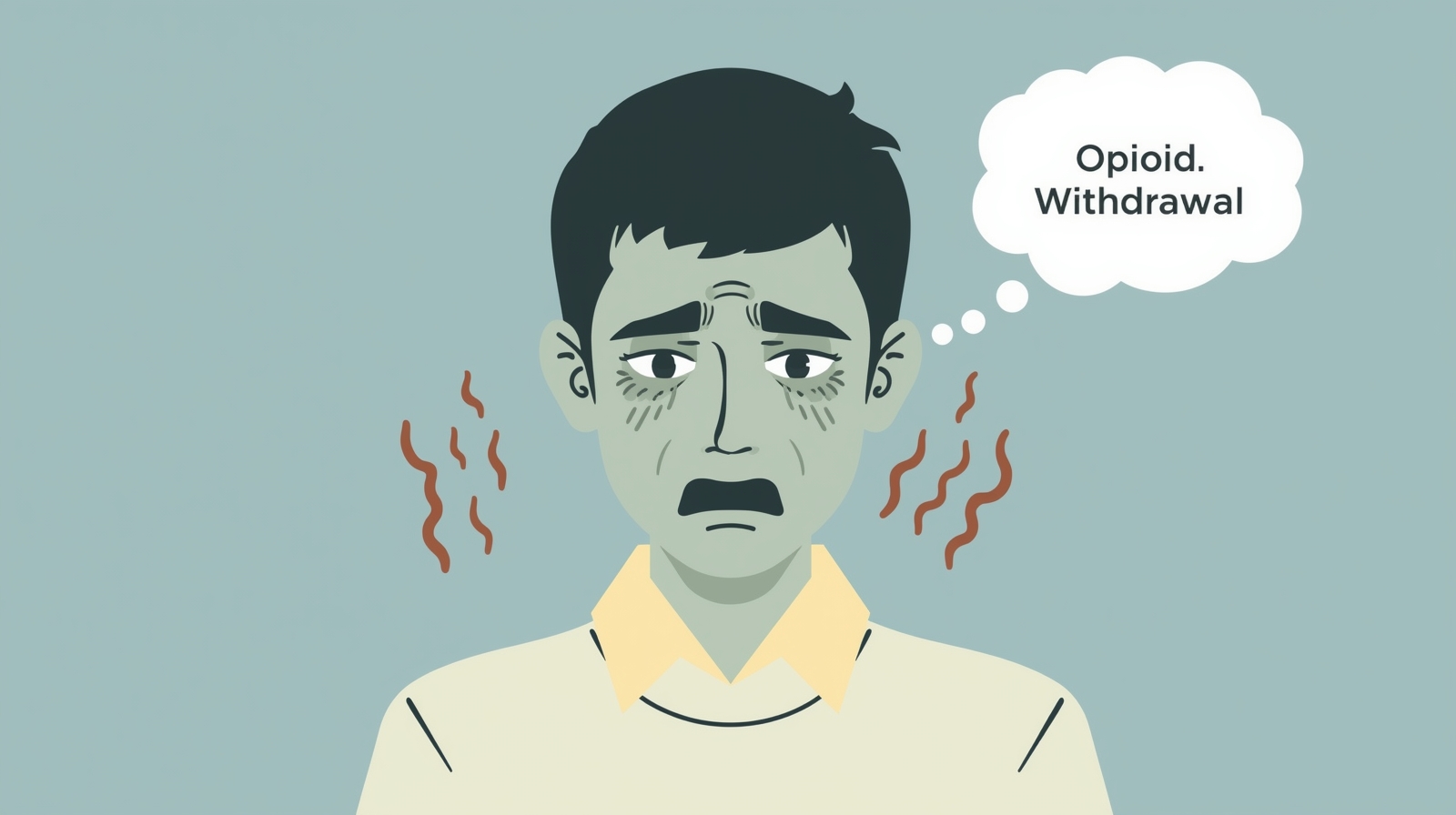
Dihydrocodeine Withdrawal Symptoms UK: What to Expect & How to Manage (2025 Guide)
Why Do Withdrawal Symptoms Occur?
Dihydrocodeine works by activating opioid receptors in your brain and spinal cord, reducing pain and producing feelings of calm. Over time, your body can grow accustomed to its presence. When the drug is reduced or stopped, your system struggles to adapt quickly — leading to withdrawal symptoms.
Withdrawal occurs because your brain is used to receiving that opioid signal. When it’s removed or reduced, the brain reacts by triggering uncomfortable or even painful symptoms. These symptoms can vary widely based on the dose, the length of use, and each person’s physiology.
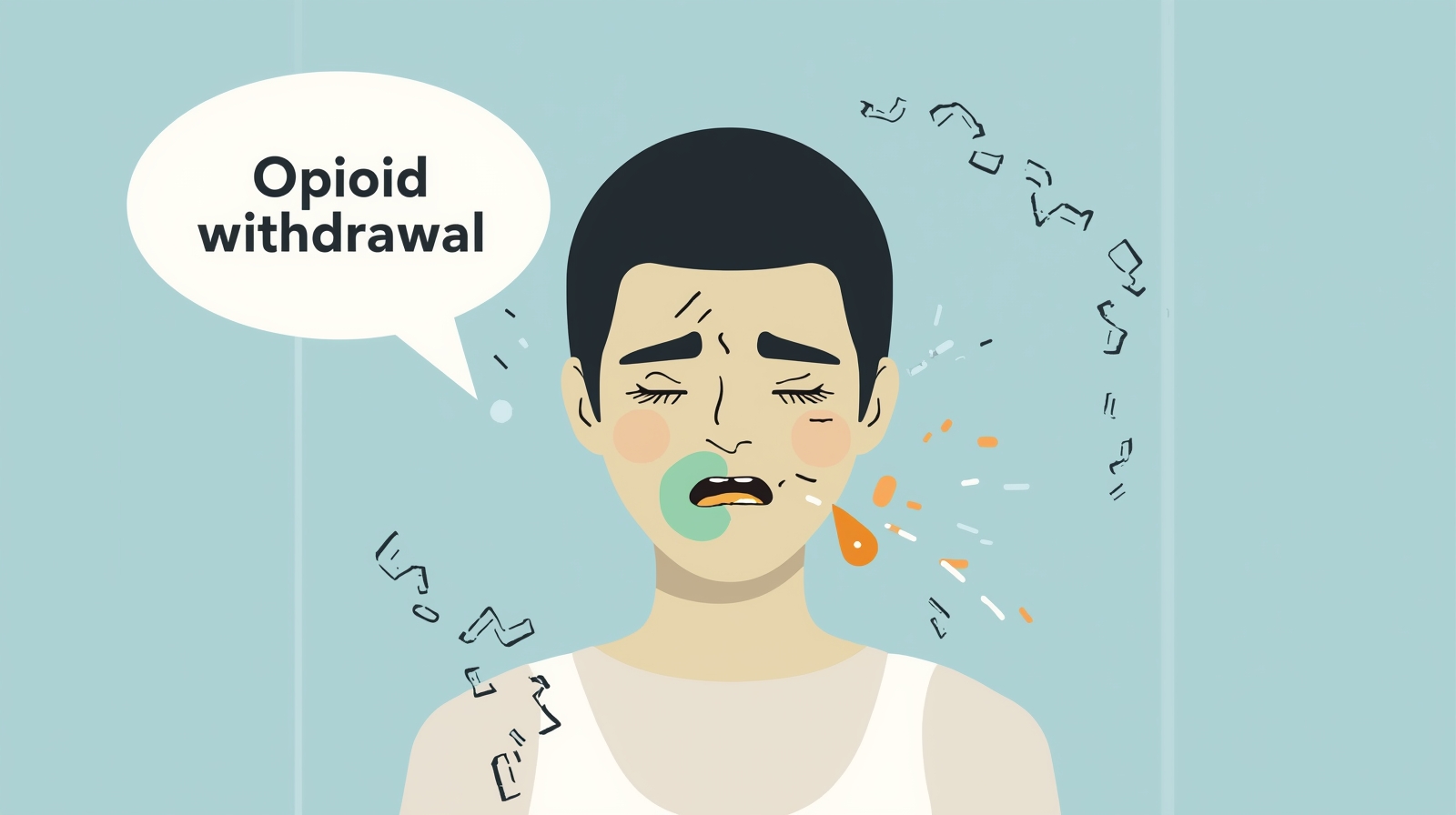
Common Dihydrocodeine Withdrawal Symptoms
Here are some of the most frequently reported withdrawal effects:
- Shaking & Tremors: Your hands, legs, or body may tremble.
- Sweating: Feeling hot, sweaty, or having cold sweats.
- Restlessness & Anxiety: You may feel irritable, uneasy, or emotionally fragile.
- Insomnia: Difficulty falling or staying asleep.
- Diarrhea / Stomach Cramps: Your digestive system may react strongly.
- Nausea & Vomiting: Many people feel sick to their stomach.
- Bone & Muscle Pain: You may experience aches, chills, or general body discomfort.
- Rapid Heart Rate: Higher pulse and possible palpitations.
- Goosebumps / Cold Flashes: A ‘cold turkey’ feeling.
- Mood Changes: Depression, tearfulness, or strong emotional swings.
When Do Withdrawal Symptoms Begin?
Withdrawal symptoms from dihydrocodeine typically begin 12 to 24 hours after your last dose, but this can vary. For some, the onset is faster; for others, slower. Peak withdrawal often occurs between days 2 and 4.
After the peak, symptoms usually start to ease, though some may persist for a week or more. Psychological symptoms (like anxiety or insomnia) can continue for weeks in some people.
How Severe Is Withdrawal?
The severity of dihydrocodeine withdrawal depends on:
- Your daily dose
- How long you took the medicine
- If you used other opioids or sedatives
- Your overall health and mental wellbeing
Some people may only experience mild discomfort, while others—especially those on high doses—can have stronger symptoms. A safe taper plan is often the best way to minimise the risk of severe withdrawal.
How to Safely Taper Off Dihydrocodeine
Tapering refers to slowly reducing your dose over time under medical supervision. This is the safest way to minimise withdrawal symptoms.
Here are general steps a healthcare provider might suggest:
- Reduce your daily dose by 10–20% every 1–2 weeks.
- Switch to a long-acting formulation if possible to stabilise blood levels.
- Monitor symptoms and reduce more slowly if anxiety or physical symptoms emerge.
- Use non-drug support: hydration, gentle exercise, rest, and nutritional support.
Supportive Measures for Withdrawal
There are several ways to ease withdrawal symptoms naturally or with medical support:
- Stay Hydrated: Drinking water, herbal teas, or electrolyte fluids helps combat sweating and diarrhoea.
- Exercise Gently: Light walking or yoga can help reduce restlessness.
- Nutrition: Eat small, frequent meals. Foods high in protein, fruit, and healthy fats help stabilise energy.
- Sleep Hygiene: Try to maintain a routine: dark room, no screens before bed, calming activities.
- Mental Health Support: Speaking with a therapist or support group can ease anxiety and emotional challenges.
When to Seek Medical Help
Talk to your GP or addiction specialist if you experience:
- Severe dehydration (due to vomiting or diarrhoea)
- Rapid or difficult breathing
- Confusion, hallucinations, or suicidal thoughts
- Heart palpitations or dangerously high blood pressure
Where to Get Help in the UK
If you need support with opioid withdrawal, these are some good places to start:
- Your GP (ask for a supported taper plan)
- Local drug addiction services (NHS, charities)
- Helplines like FRANK (talktofrank.com) for advice
Considerations When Buying Dihydrocodeine
If you’re using a legitimate online pharmacy, make sure they check your prescription and follow legal dispensing rules. One product page you may see is here: Buy Dihydrocodeine Online.
Another external company listing may exist, but always verify licensing, certificate of analysis, and prescription requirements before purchasing: Absolute Pills Dihydrocodeine.
Final Thoughts
Withdrawal from dihydrocodeine isn’t easy, but it doesn’t have to be overwhelming. With a careful taper plan, professional support, and self-care measures, you can manage symptoms and reduce risk safely. Always speak with a medical professional before stopping or changing your dihydrocodeine dose.
If you want to learn more about the risks of dependence, prescription guidelines, or safer pain alternatives, talk to your GP or visit reputable UK health sites.
