- Your cart is empty
- Continue Shopping


Dihydrocodeine 30mg Pil (UK Guide 2025)
- Blog, opiods
- Posted on
-
by Admin
- 0 comments
Dihydrocodeine 30mg Pil (UK Guide 2025)
Dihydrocodeine 30mg pil are widely prescribed across the UK for the short-term relief of moderate to severe pain. These tablets belong to the opioid family and are often used when standard painkillers such as ibuprofen or paracetamol no longer provide enough relief.
In this 2025 UK-focused guide, you’ll learn what Dihydrocodeine 30mg is, how it works, how to take it safely, who should avoid it, and what patients should know before considering legal online pharmacies.
What Is Dihydrocodeine 30mg?
Dihydrocodeine is a semi-synthetic opioid painkiller available only on prescription in the UK. The 30mg strength is the most commonly dispensed dose, typically given for conditions such as:
-
Post-surgical pain
-
Severe back pain
-
Joint and muscle injuries
-
Chronic pain when other treatments fail
-
Dental pain
-
Nerve pain
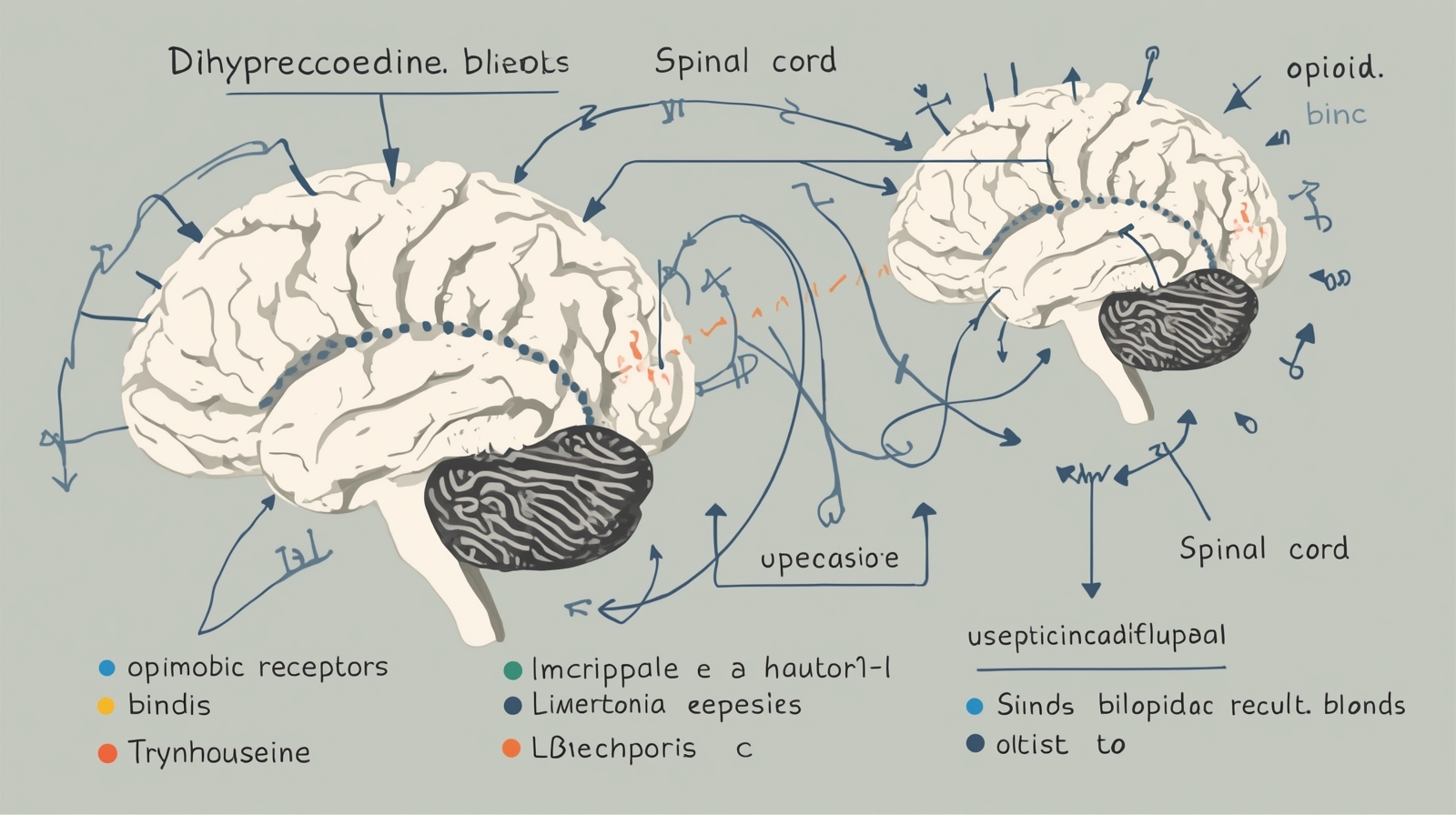
Because it is an opioid, Dihydrocodeine works by binding to receptors in the central nervous system, reducing the sensation of pain and helping the body relax.
How Dihydrocodeine 30mg Works
When taken as prescribed, Dihydrocodeine provides pain relief by:
-
Blocking pain signals travelling to the brain
-
Calming the nervous system, which reduces emotional response to pain
-
Creating mild sedation, useful in severe discomfort
Most patients feel relief within 30–60 minutes, and the effects last around 4–6 hours.
How to Take Dihydrocodeine 30mg (UK Guidelines)
Doctors typically prescribe 30mg tablets to be taken:
-
One tablet every 4–6 hours
-
Maximum daily dose: 180mg (unless your doctor advises otherwise)
-
Always swallow the pill whole with water
-
Never crush or chew
If you miss a dose, take it as soon as you remember — but never double the dose.
Who Should Avoid Dihydrocodeine?
According to UK medical guidelines, you should NOT use Dihydrocodeine if you:
-
Have severe breathing problems
-
Have asthma attacks
-
Have liver failure
-
Have uncontrolled epilepsy
-
Are allergic to opioids
-
Are taking sedatives, benzodiazepines, or alcohol
Pregnant women, breastfeeding mothers, and elderly patients should also exercise extreme caution.
Possible Side Effects
Like all opioid-based medications, Dihydrocodeine can cause:
-
Constipation
-
Nausea
-
Drowsiness
-
Light-headedness
-
Itching
-
Slower breathing
Serious symptoms such as difficulty breathing, fainting, or blue lips require emergency care.
Dihydrocodeine Dependence and Safety
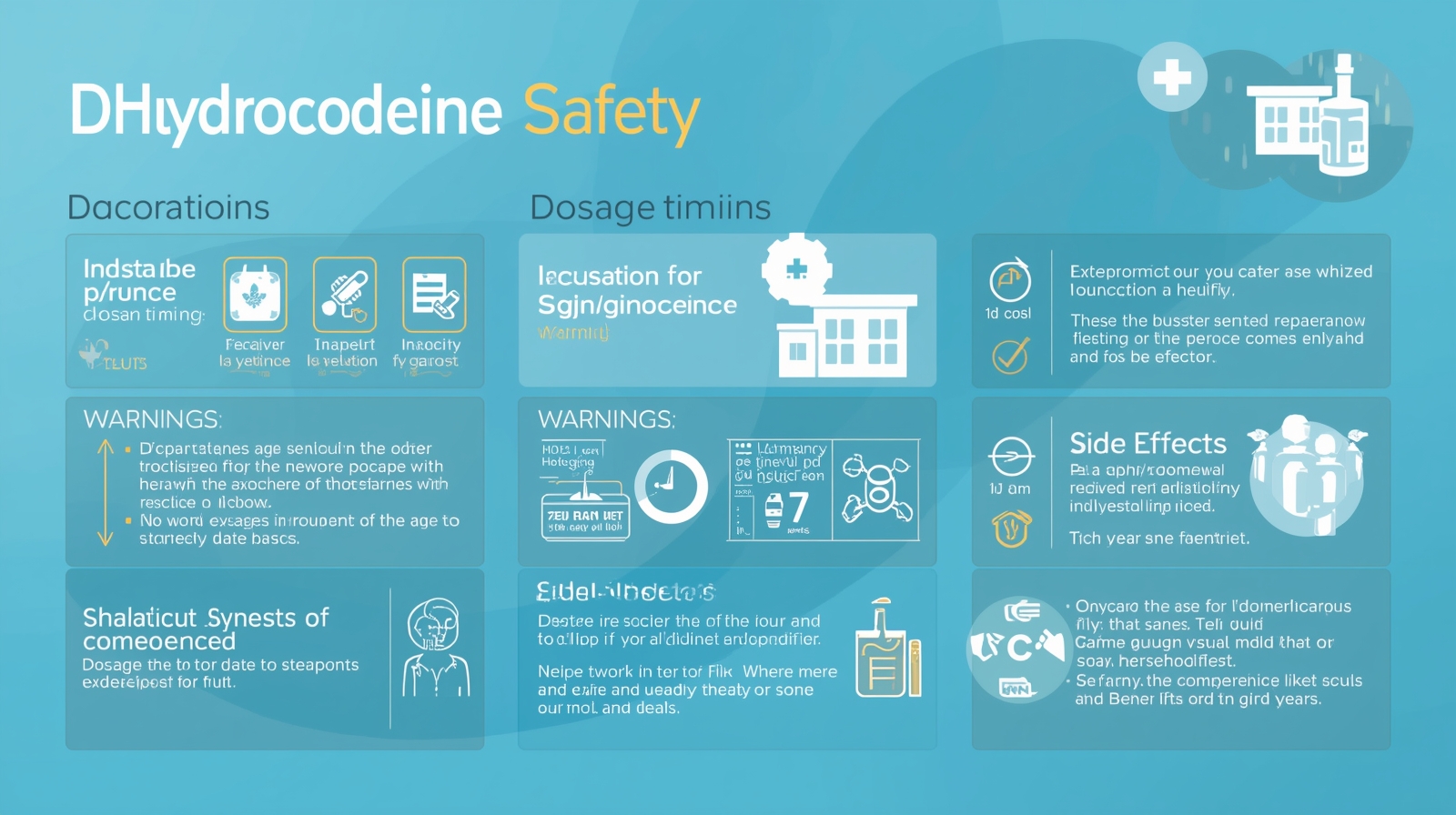
Because Dihydrocodeine is an opioid, long-term use carries risks such as:
-
Dependence
-
Tolerance (needing higher doses)
-
Withdrawal symptoms
-
Overdose risk
This is why UK doctors prescribe it for short periods only and monitor patients closely.
Where Patients Buy Dihydrocodeine 30mg Online (UK)
Many UK users look for legal, safe online pharmacies for their prescriptions.
For informational purposes, here is a relevant internal link to your website:
🔗 Buy Dihydrocodeine 30mg Online (UK)
Final Thoughts
Dihydrocodeine 30mg is an important medication for short-term moderate to severe pain, especially when milder painkillers are not enough. When used correctly — and under medical supervision — it provides meaningful relief. However, as a controlled opioid in the UK, it must be used responsibly to avoid dependence and health risks.
